

Looking for a clever way to save money on healthcare?
A Health Savings Account (HSA) at Bank of St. Croix might be just what you need! It’s one of the best savings accounts for both immediate and future medical costs.

Health Savings Account
A Bank of St. Croix Health Savings Account (HSA) is a special account owned by an individual who participates in a High Deductible Health Plan (HDHP). The account holder, employer, or any other person can make contributions.
- Open an account with a $25 deposit (no minimum if opened through payroll deduction or made by employer)
- Earns interest
- Log on to Bank of St. Croix’s Online Banking at bankofstcroix.com to track your HSA balance and transactions
- No annual “use it or lose it” rule
- Maximum annual contributions are set by the IRS
- Access funds via a check or Visa® Debit Card
- FDIC insured
There is no monthly service fee with this account.
What is a Health Savings Account (HSA)? Understanding Your Health Savings Options
An HSA is a special savings account that works hand-in-hand with certain health insurance plans called High Deductible Health Plans (HDHP). These plans often have lower monthly payments (premiums), but you pay more of your healthcare costs yourself before your insurance starts to help. That’s where your HSA comes in handy!
You can put money into your Bank of St. Croix HSA to help pay for all sorts of approved medical costs, like:
- Doctor visits and check-ups
- Prescription medicines and refills
- Dental care and orthodontics
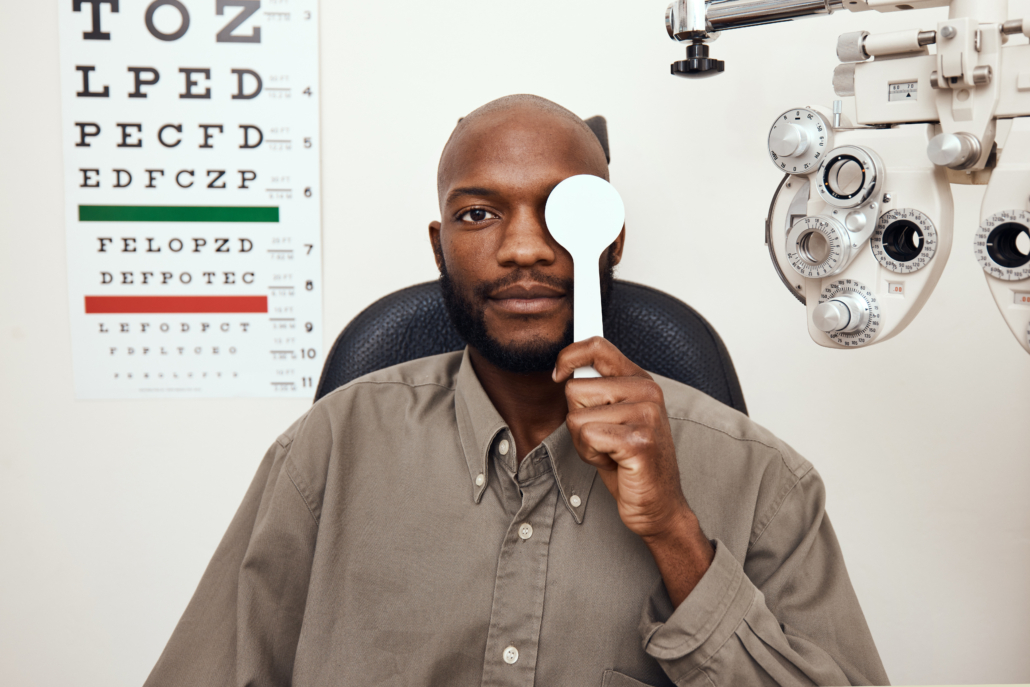
- Eye exams, glasses, and contacts
- And many other approved qualified medical expenses.
The best part about your HSA at Bank of St. Croix? The money you put in (your HSA contributions), the money it earns, and the money you take out for qualified medical expenses are tax-free! This makes it a very tax-advantaged savings account for the Virgin Islands.
Benefits of a Bank of St. Croix HSA
When you open a Health Savings Account at Bank of St. Croix, you get lots of great perks:
- Triple Tax Savings: Contributions, earnings, and withdrawals for qualified medical expenses are generally tax-free. This is a huge win for your wallet!
- Ultimate Retirement Tool: Your HSA is one of the best ways to prepare for retirement medical expenses, like certain Medicare premiums and long-term care insurance.
- Your Money, Your Control: Your Bank of St. Croix HSA is your account. It stays with you even if you change jobs or health insurance plans. It’s your portable healthcare savings account.
- Build Your Savings: Your HSA grows over time, creating a powerful healthcare nest egg for your future medical costs.
- Secure and Reliable: Your HSA savings are safe and sound at Bank of St. Croix, an FDIC-insured bank.
